-
Marc Chagall: Modern Art and Jewish Identity
What happens when an artist takes memories of a disappearing world and transforms them into modern art? For Marc Chagall, the answer was a visual language unlike almost anything that came before him. Floating figures, impossible perspectives, vivid colors, Jewish religious imagery, village scenes, musicians, animals, and lovers appear together in paintings that seem to…
-
Why These 1901 Henneberg Shabbat Candlesticks Inspire My Art
in : judaica artby :
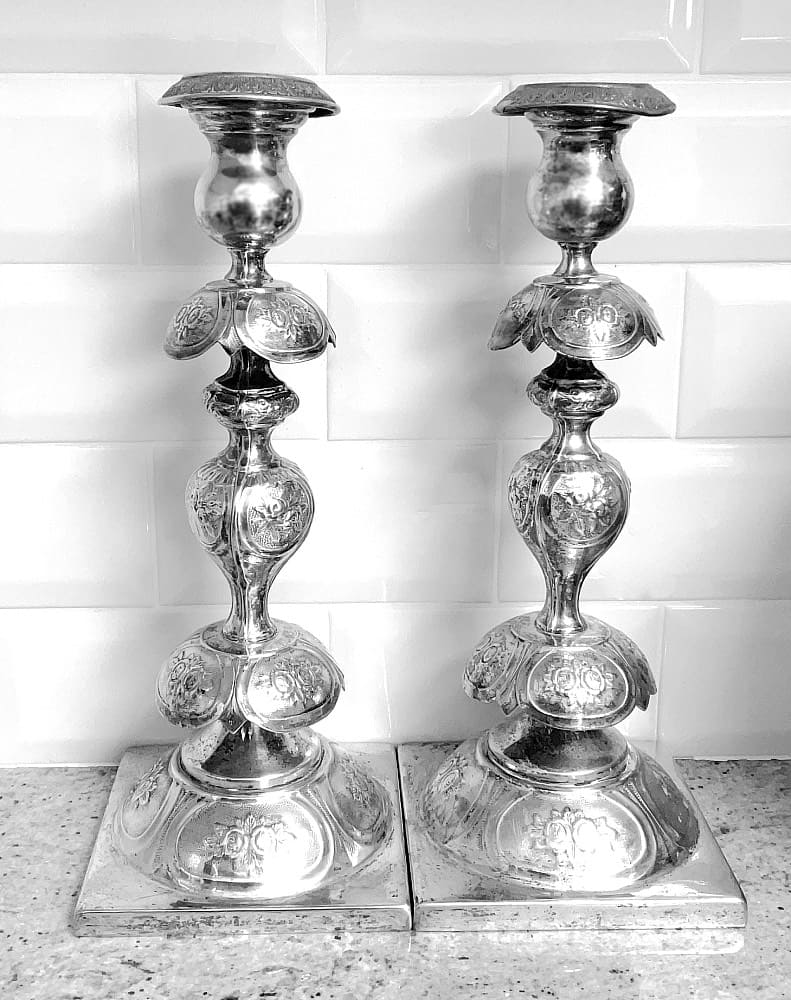
These silver plated over brass candlesticks traveled through four generations. For these 1901 Henneberg Shabbat candlesticks made in Warsaw, history, craftsmanship, and Jewish tradition come together in one remarkable design. Their elegant form inspires my art, and are a joy to draw and paint. History of the Bracia Henneberg Shabbat Candlesticks Made in Warsaw by…
-
Ancient Jewish Art Treasures: the Dura Europos Synagogue
in : Uncategorizedby :
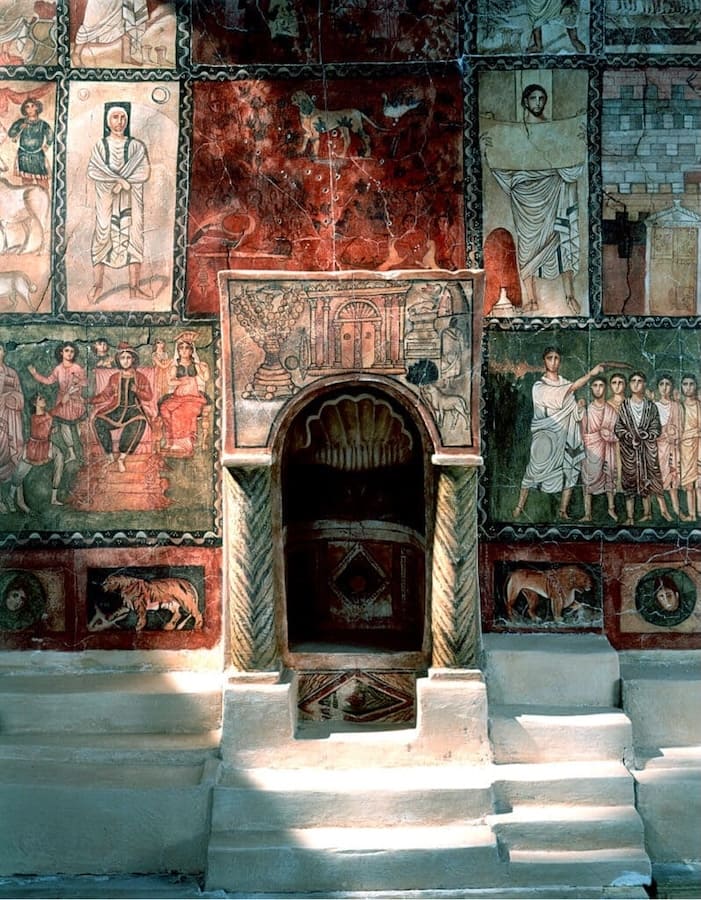
Hidden beneath the dust of the Syrian desert for centuries, the Dura-Europos Synagogue emerged like a whispered miracle from the ancient world. When archaeologists uncovered its walls in the 1930s, they found something breathtaking: vibrant murals bursting with color, emotion, faith, and memory. The discovery forever changed the way scholars understood ancient Jewish art. Let’s…
-
Color, Kabbalah, and Jewish Art: Origin and Meaning
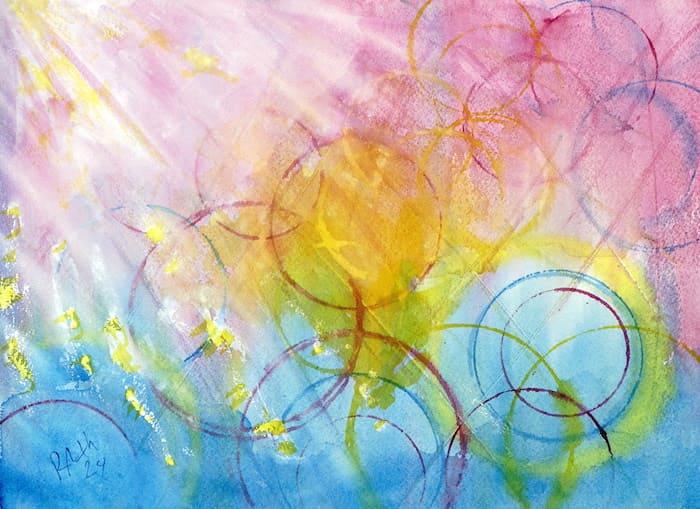
Vibrant color in Jewish art is not only exciting and aesthetic—it’s also deeply spiritual. Within the framework of Kabbalah, or Jewish mysticism, color is a language of Divine energy. When artists draw on these ideas, color symbolism expands beyond tradition into a realm of spiritual meaning. Exploring the relationship between color, Kabbalah, and Jewish art reveals a profound…
-
Kiddush Levana: Blessing the New Moon in Jewish Art
in : Uncategorizedby :
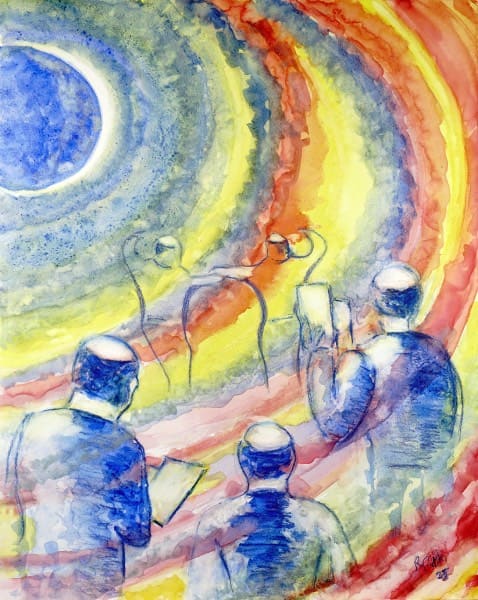
The quiet beauty of the night sky continues to inspire artists. Within Judaism, the monthly ritual of Kiddush Levana—the blessing of the new moon—captures a moment when faith, time, and the natural world come together. Although the ritual itself takes place outdoors beneath the night sky, its symbolism and spiritual themes also find expression in Jewish…
-
A Purim Grogger: an Object of Folk Art, Function, and Sound
in : judaica artby :

The Purim grogger is often dismissed as a festive noisemaker, but through the lens of art and material culture, it emerges as something far more compelling. Part ritual object and part kinetic sculpture, the grogger occupies a unique position at the intersection of folk art, function, and sound. Rooted in centuries of tradition, the Purim…
-
The 10 Commandments in Jewish Art: Rounded or Flat Tops?
in : judaica artby :
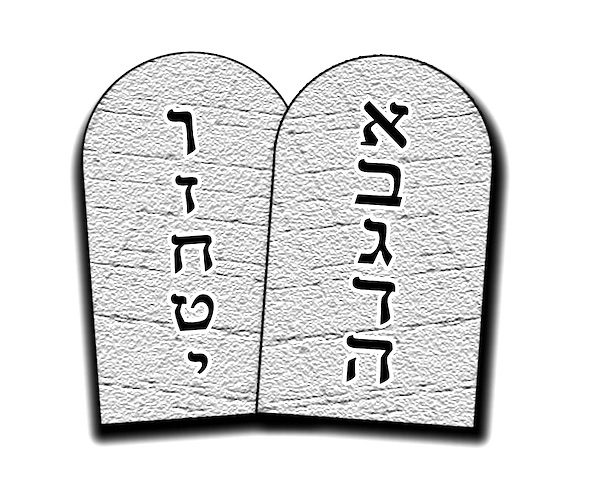
When we think of the 10 commandments, we imagine two stone tablets inscribed with Divine laws. But what exactly was their shape? Were they rectangles, squares, or rectangles with rounded tops? This intriguing question sparks debate and curiosity among scholars, theologians, and historians alike. We’ll first look at the portrayal of the stone tablets in…
-
The Hamsa in Jewish Art: A Symbol of Protection and Blessing
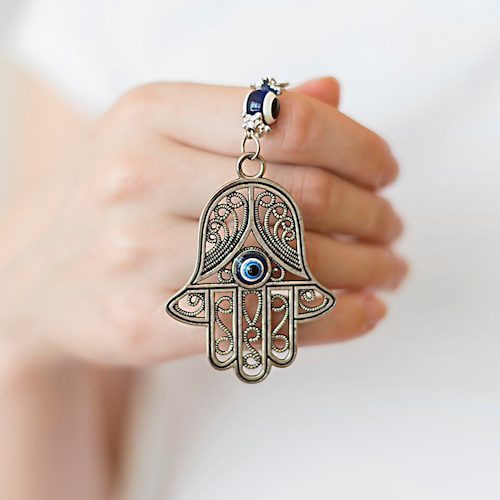
The Hamsa hand is a captivating symbol associated with protection and blessing. Its distinct shape and rich history makes it a beloved icon in Jewish culture. The Hamsa in Jewish art is everywhere. Depictions of this symbol grace paintings, jewelry, ornamentations on Judaica, and even architecture. In this blog post, we explore the origin and…
-
The Art of Making a Torah Scroll: timeless Judaica art
in : judaica artby :
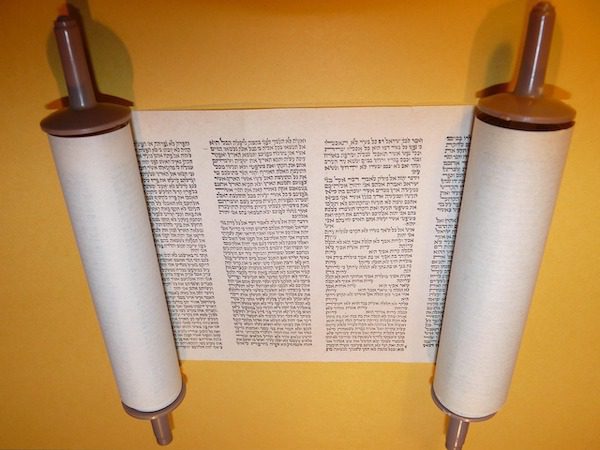
The Torah scroll, known as the ‘Sefer Torah’ in Hebrew, is a sacred and revered Judaica artifact. It’s a cornerstone of Jewish faith and practice, encapsulating centuries of law, narrative, and tradition. But how is a Torah scroll made? In this blog post, we explore the art of making a Torah scroll; the intricate and…
-
The Origin of the Star of David as a Jewish Symbol
in : judaica artby :
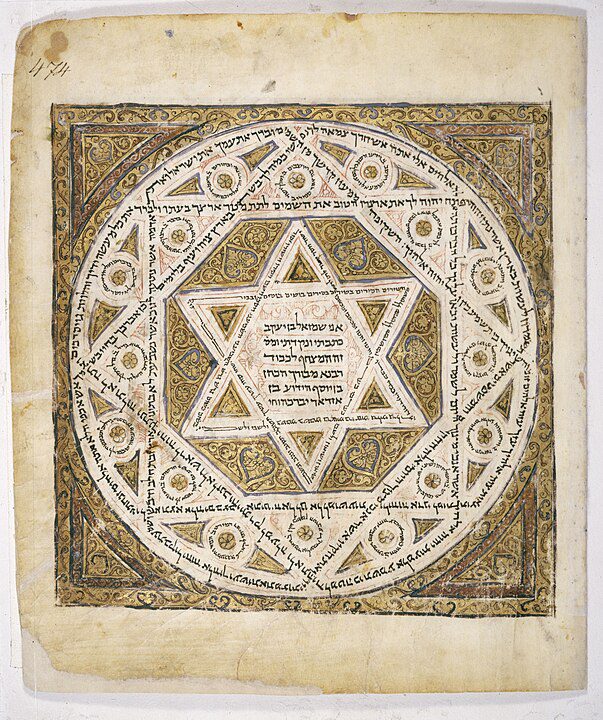
The Star of David, a striking six-pointed star, is synonymous with Jewish identity and culture. It appears in synagogues, on flags, jewelry, clothing, and in art. Not just a symbol of heritage, it represents resilience and unity. But what is the origin of the Star of David? This article explores the earliest evidence of the…