-
Mayim Acharonim: Classic to Modern Designs of Judaica Art
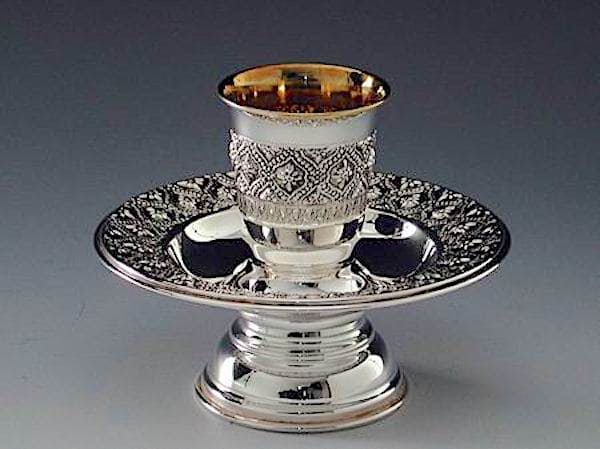
Mayim Acharonim, Hebrew words which translate to ‘after waters’, is a ritual washing performed after a meal, particularly following the consumption of bread. The act involves pouring water over the fingers, often from a beautifully designed vessel. Let’s look at the historical origin of the Mayim Acharonim, and explore classic to modern designs of this…
-
The 10 Commandments in Jewish Art: Rounded or Flat Tops?
in : judaica artby :
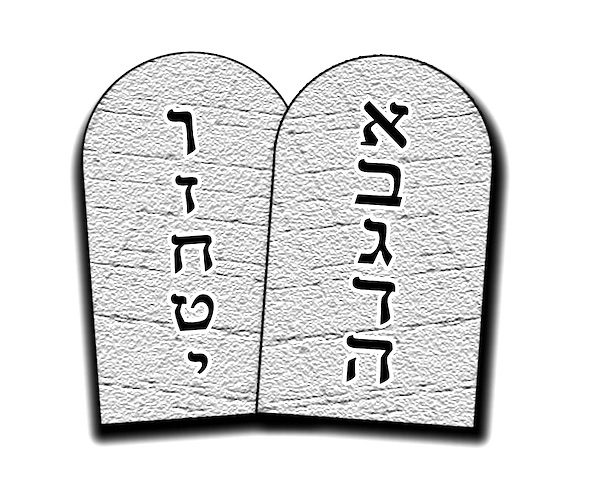
When we think of the 10 commandments, we imagine two stone tablets inscribed with Divine laws. But what exactly was their shape? Were they rectangles, squares, or rectangles with rounded tops? This intriguing question sparks debate and curiosity among scholars, theologians, and historians alike. We’ll first look at the portrayal of the stone tablets in…
-
The Origin of the Seder Plate: Designs from Past to Present
in : judaica artby :
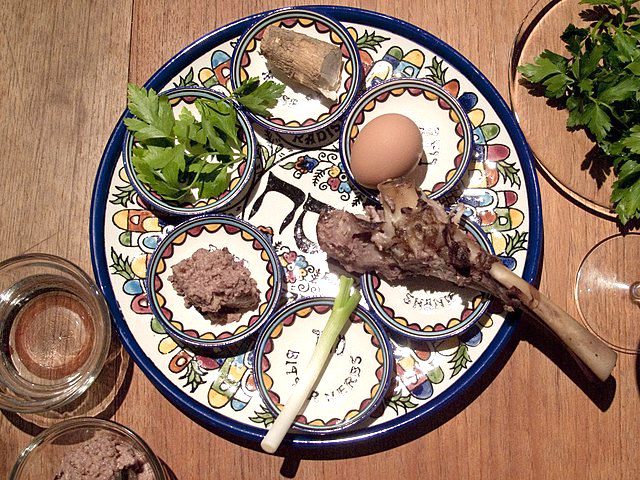
The Passover seder plate is a central symbol of the Jewish holiday of Passover. It holds deep historical and cultural significance. Each item on the plate represents a key element of the Exodus. But where did the idea of using a seder plate for Passover come from? In this blog post, we explore the origin…
-
The Hamsa in Jewish Art: A Symbol of Protection and Blessing
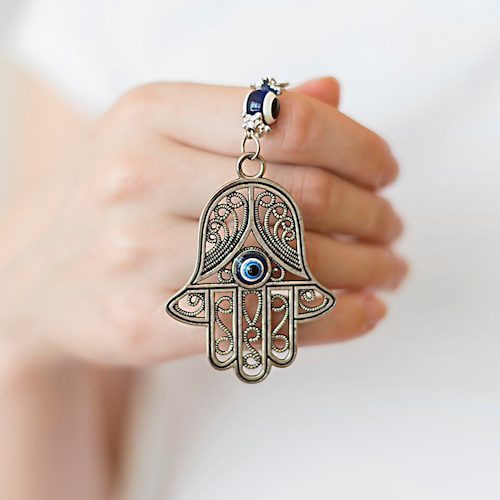
The Hamsa hand is a captivating symbol associated with protection and blessing. Its distinct shape and rich history makes it a beloved icon in Jewish culture. The Hamsa in Jewish art is everywhere. Depictions of this symbol grace paintings, jewelry, ornamentations on Judaica, and even architecture. In this blog post, we explore the origin and…
-
The Art of Making a Torah Scroll: timeless Judaica art
in : judaica artby :
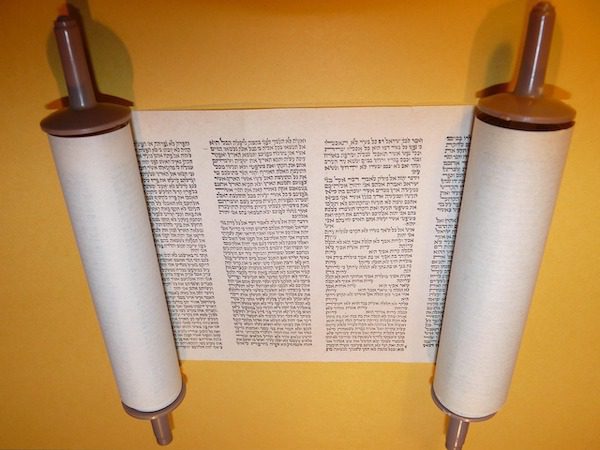
The Torah scroll, known as the ‘Sefer Torah’ in Hebrew, is a sacred and revered Judaica artifact. It’s a cornerstone of Jewish faith and practice, encapsulating centuries of law, narrative, and tradition. But how is a Torah scroll made? In this blog post, we explore the art of making a Torah scroll; the intricate and…
-
The History of the Tzedakah Box: Judaica in Art
in : judaica artby :
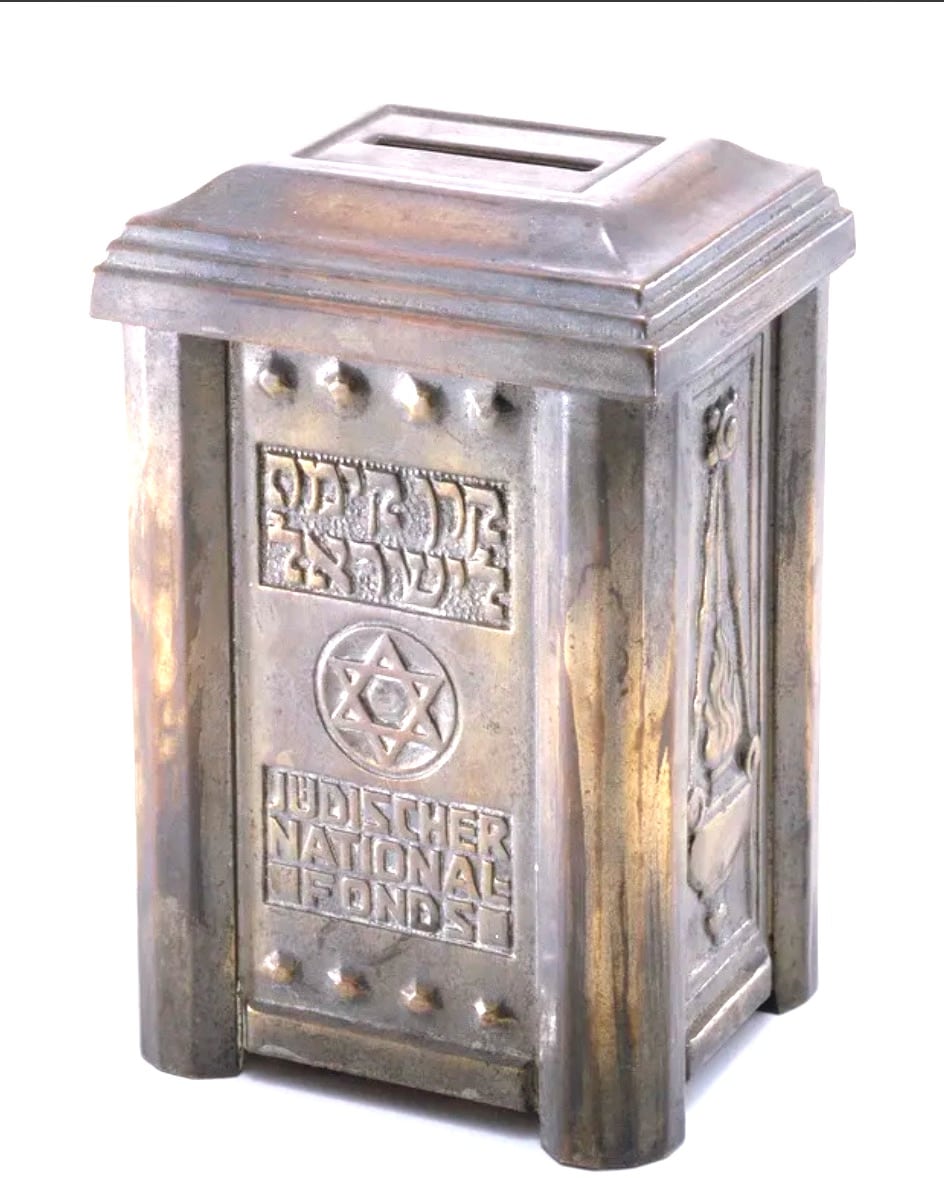
The tzedakah box, or pushka sometimes spelled pushke, is a small, often decorative container used in Jewish tradition to collect charitable donations. Its significance extends beyond mere functionality; it embodies the values of charity, community support, and social responsibility. In this post, we discuss the history of the tzedakah box, and also look at different…
-
The Role of a Silver Kiddush Cup: Beautifying the Mitzvah
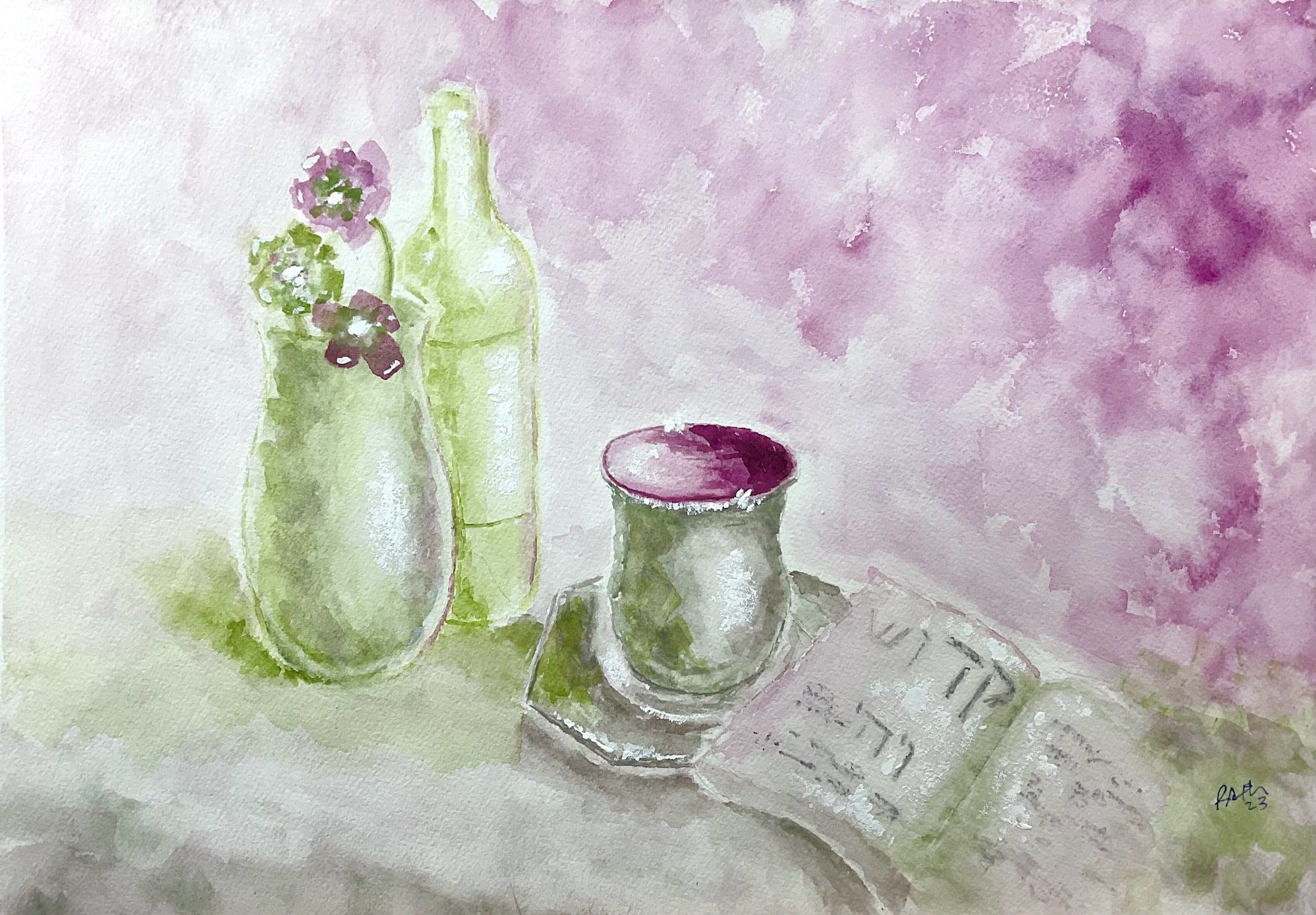
When it comes to Judaica, few items hold as much significance as a silver kiddush cup. The cup not only serves a practical purpose but symbolizes blessings, spirituality, and elegance. In this blog post, we explore the ritual of kiddush and the requirements for the kiddush cup. We’ll also look at the unique designs of…
-
Judaica in Art – The Design of Dreidels Through the Ages
in : judaica artby :
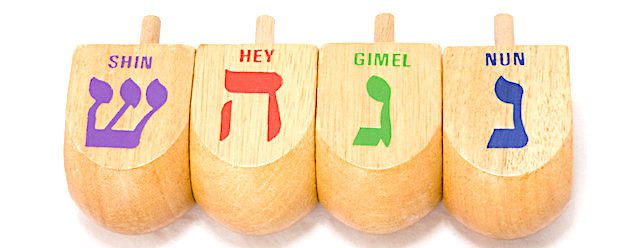
One of the most iconic symbols of Chanukah is the dreidel, a spinning top with Hebrew letters on each side. Simple enough. But have you ever wondered about how the design of the dreidel evolved over time? From ancient to modern, let’s take a closer look at the history and design of dreidels through the…
-
Judaica in Art – the Origin of the Havdalah Spice Tower
in : judaica artby :
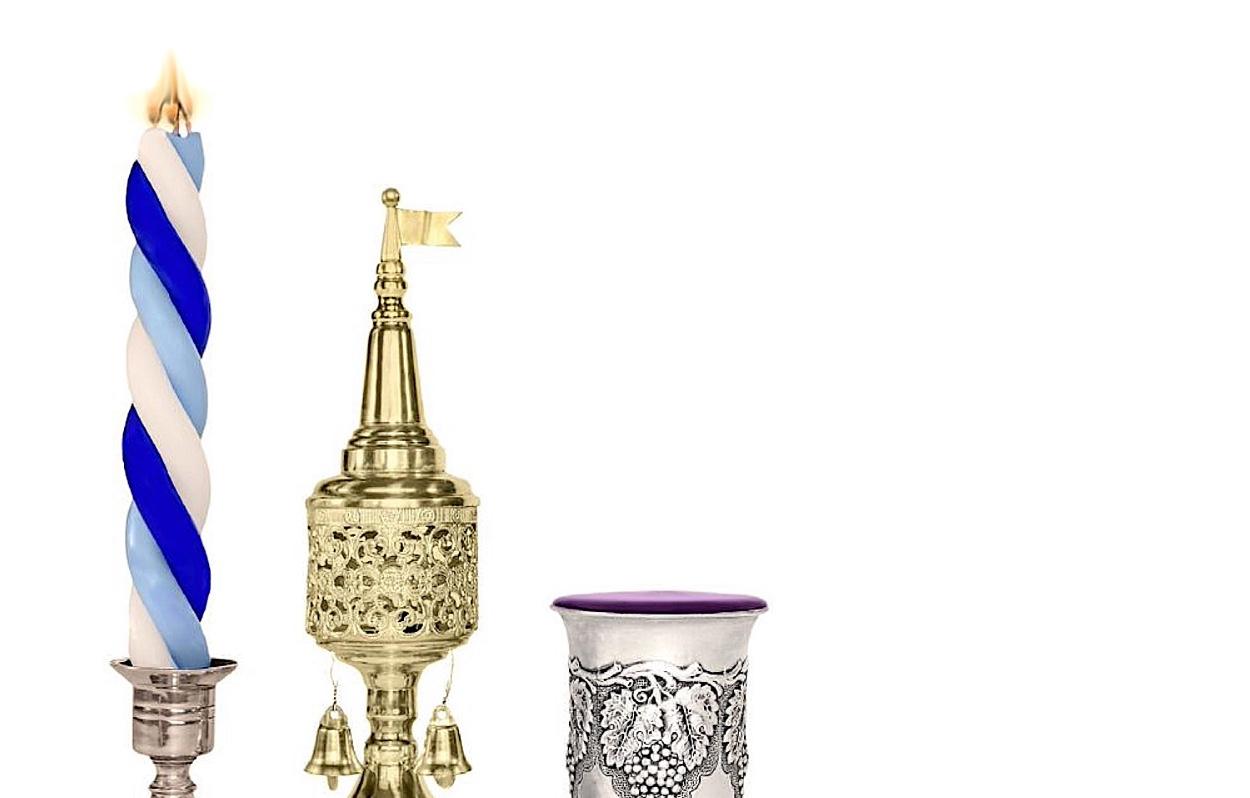
Havdalah, a Jewish ritual marking the end of Shabbat, is a beautiful ceremony steeped in tradition and symbolism. Judaica items used in this ritual is a wine cup filled to the brim, a multi-wick candle, and a spice box holding cloves, cinnamon, and other fragrant spices. The tradition of using a spice tower adorned with…
-
Judaica in Art – the Design of the Menorah
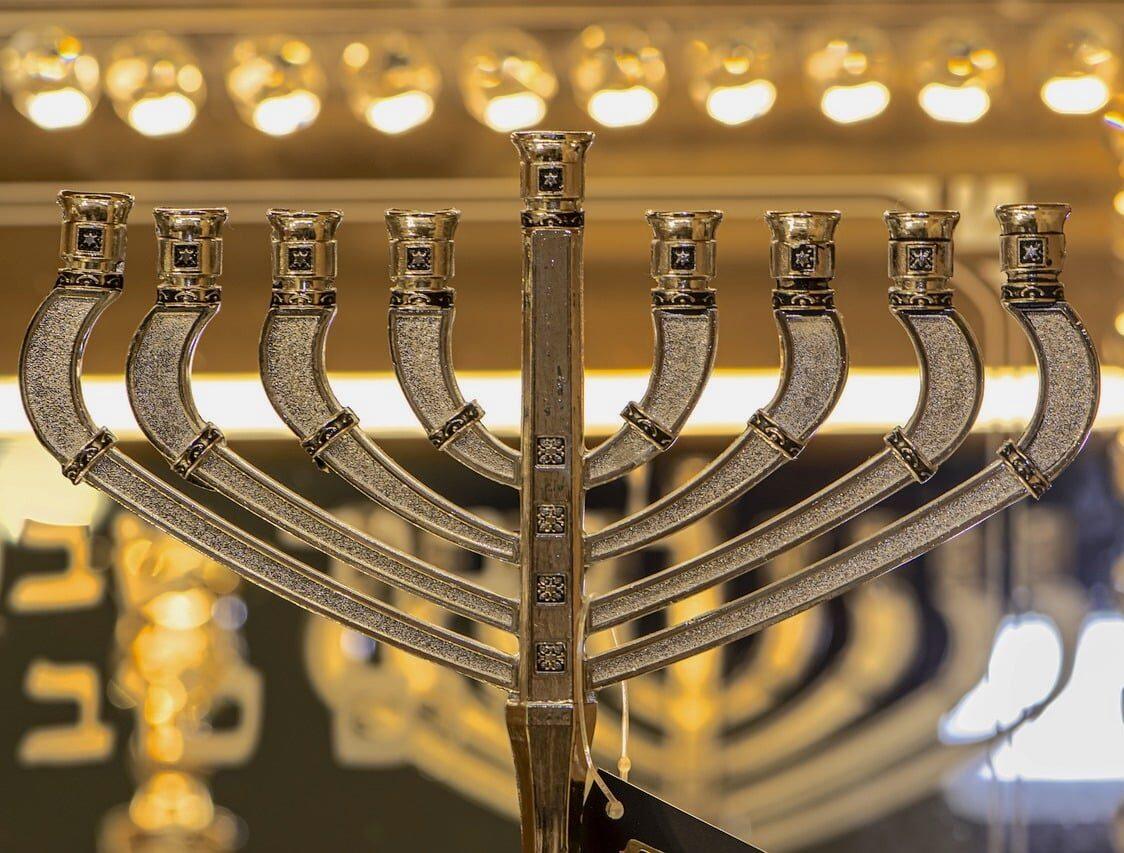
The design of the Chanukah menorah remains unchanged over the course of Jewish history. Eight places to put candles, oil, or even electric bulbs, all lined up in a row, is the basic design of the menorah. The remainder of the menorah’s appearance takes on many different colors, sizes, and shapes. But why does the…