The Purim grogger is often dismissed as a festive noisemaker, but through the lens of art and material culture, it emerges as something far more compelling. Part ritual object and part kinetic sculpture, the grogger occupies a unique position at the intersection of folk art, function, and sound.
Rooted in centuries of tradition, the Purim grogger reveals how Jewish ritual objects operate not only as religious tools but also as enduring works of art.
The Purim Grogger: a Jewish Ritual Object as Artistic Form
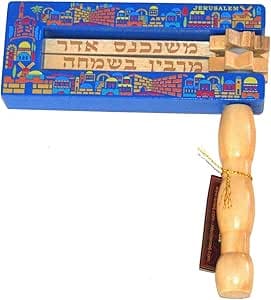
At its core, the grogger exists to interrupt—to drown out the name of Haman during the public reading of the Purim Megillah. This act of disruption shapes the object’s design. Gears, paddles, ratchets, and clappers are not decorative afterthoughts; they are the formal language of the piece.
In art terms, the grogger belongs to a long lineage of kinetic and sound-based art. Its visual presence is incomplete without motion. Meaning emerges through use, aligning the grogger with contemporary artistic practices that emphasize participation and performance over static display.
The Grogger as Jewish Folk Art
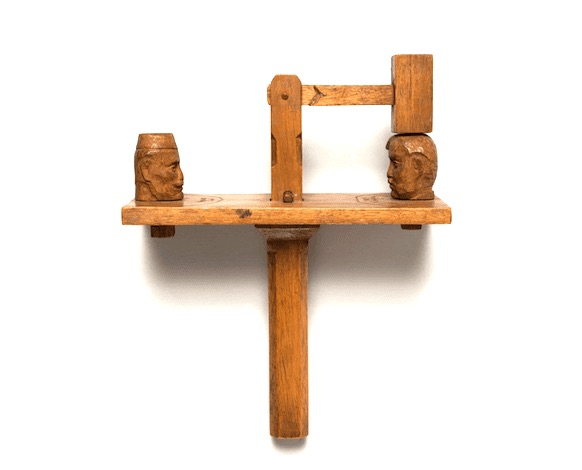
Historically, Purim groggers were handmade using locally available materials—most commonly wood and metal. These early groggers reflect the aesthetics of Jewish folk art: direct carving, functional ornamentation, and expressive imperfections.

Carved lions, crowns, stars, and motifs from the Purim narrative appear frequently, drawing from Jewish symbolism and regional craft traditions. Each grogger is distinct, shaped by the maker’s hand and cultural context. As a result, antique and handmade groggers function as visual records of Jewish communal life across time and geography.
Narrative and Symbolism in Purim Grogger Design

Many groggers serve as narrative objects, visually referencing characters and themes from the Purim story. Crowns symbolize Queen Esther, architectural forms allude to the Persian court, and exaggerated mechanical elements suggest satire and mockery.
Other groggier designs remain abstract, relying on sound and movement rather than imagery. This balance between representation and abstraction reflects a broader dynamic within Jewish art, where symbolism often replaces direct figuration.
Play, Subversion, and the Aesthetics of the Grogger
Purim is defined by inversion—social, spiritual, and aesthetic. The grogger embodies this reversal. It transforms the synagogue into a space of sanctioned chaos, where noise replaces silence and play becomes ritual.
From an art perspective, the grogger is a subversive object. It disrupts normative behavior and invites collective participation, anticipating modern relational and participatory art practices. The audience does not merely observe the grogger; they activate it.
Contemporary Purim Grogger Design and Artist Interpretations
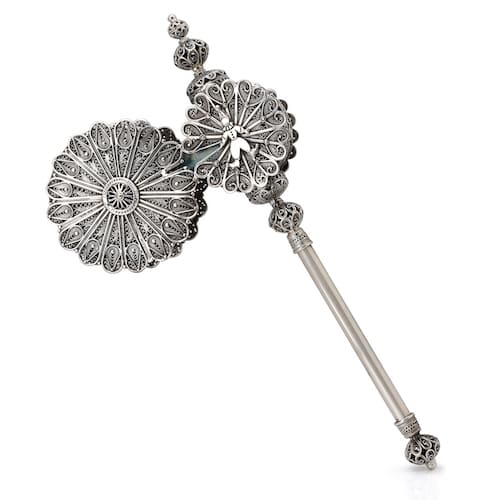
Today, contemporary artists and designers continue to reinterpret the Purim grogger as a modern ritual object. Minimalist groggers explore geometry and negative space. Others incorporate sustainable materials, reclaimed wood, or experimental fabrication techniques such as laser cutting and 3D printing.
Despite these innovations, successful grogger design remains grounded in tradition. Sound, durability, and physical engagement are still essential. In this way, contemporary groggers demonstrate how Jewish ritual art evolves without losing its core meaning.
Sound as Material: The Grogger as Sculptural Experience

One of the grogger’s most compelling artistic qualities is its use of sound as a primary medium. The object’s true form exists in vibration, rhythm, and communal resonance. The uneven rattle, the layered noise of many groggers at once—these are integral to the artwork.
This positions the grogger within broader conversations about sound art and experiential sculpture, expanding how we define materiality in art.
A Living Object in Jewish Visual Culture

Unlike museum artifacts preserved behind glass, the Purim grogger is meant to wear down. Handles smooth with use, joints loosen, and sound changes over time. These marks of wear document participation rather than diminish value.
The art of the Purim grogger lies in its insistence on use. It is not art for passive viewing but art that demands engagement. Each Purim, the grogger reenters public life, transforming ritual into a collective aesthetic experience.