
Buying art is an exciting and meaningful experience. For many art collectors, collecting art is not only about decorating a space but also about supporting artists, preserving culture, and building a thoughtful personal collection. Whether someone is new to buying art or already experienced in collecting art, understanding how to identify authentic artwork is essential for making confident decisions. Here are some tips for buying authentic art and avoiding fakes.
Research the Artist Before Buying Art
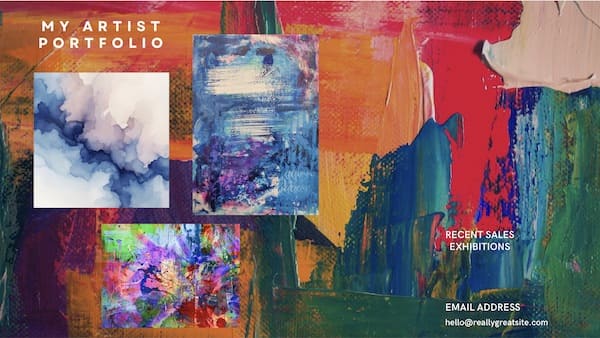
One of the most important steps when buying art is researching the artist. Learn about the artist’s background, education, exhibition history, and professional reputation. When buying art, review the artist’s website, gallery representation, or published material that documents their work. Artists who are active in the art world typically have a record of exhibitions, gallery partnerships, or press coverage. Even emerging artists have some record of exhibitions or sales. Understanding the artist’s career helps art collectors determine whether the work they are considering is likely to be authentic art.
Verify the Artwork’s Provenance

Another important factor when buying art is the provenance of the piece. Provenance is the documented ownership history of an artwork. For art collectors, provenance is one of the most important ways to confirm that a work is authentic. A clear provenance might include records of previous collectors, gallery sales, exhibitions, or auction house transactions. When collecting art, a well-documented provenance provides confidence that the artwork has been properly represented and legally transferred through the art market.
Request a Certificate of Authenticity (COA)
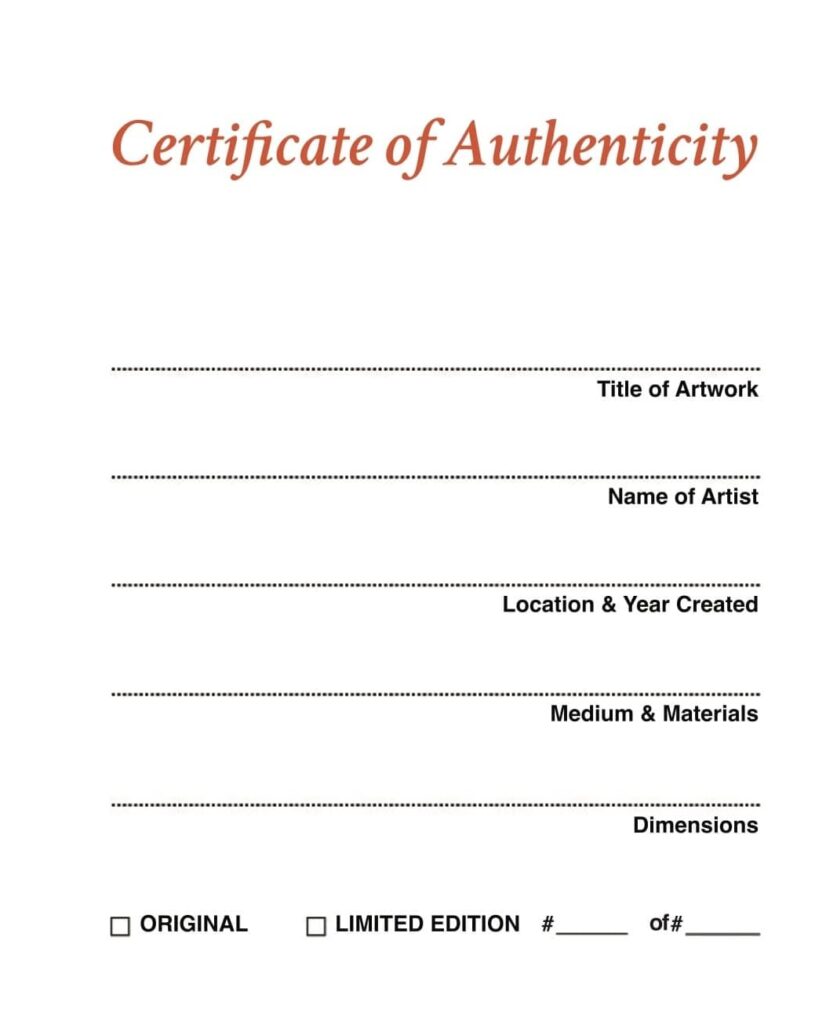
Art buyers should request a Certificate of Authenticity, commonly known as a COA. This document typically includes the artist’s name, the title of the work, the medium used, the dimensions, the date and place of creation. In the case of limited edition prints, the edition number is usually included as well. While a certificate alone does not guarantee authenticity, it is an important part of the documentation that supports the legitimacy of an artwork.
Buy from Reputable Galleries and Sellers
Where you buy art also plays an important role in avoiding fakes. Art buyers serious about collecting art purchase through reputable galleries, established auction houses, or directly from artists. These sources usually maintain professional standards and provide documentation that helps verify authentic artwork. When buying art online or from lesser-known sellers, it is especially important to research the seller and confirm their reputation before making a purchase.
Examine the Artwork Carefully
Carefully examining the artwork itself helps art collectors identify authentic artwork. Physical details such as the artist’s signature, markings on the back of the work, gallery labels, or exhibition stickers may provide clues about the artwork’s history. The materials, techniques, and style should be consistent with the artist’s known work. For higher-value purchases, art collectors sometimes seek the advice of independent experts, appraisers, or conservators who specialize in the artist or artistic period.
Protect Your Collection with Proper Records
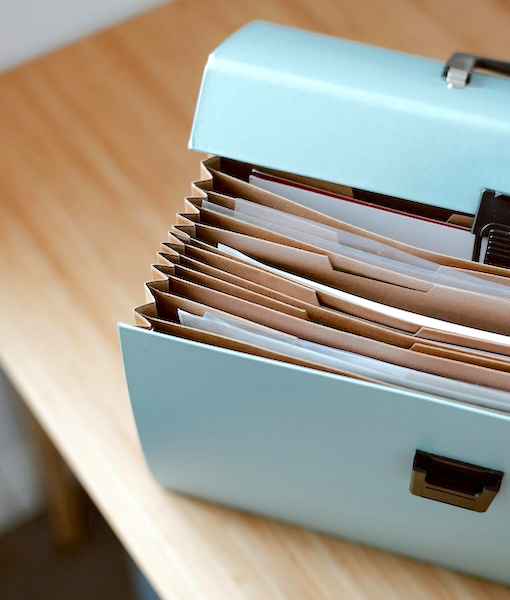
Maintaining detailed records is an essential practice for art collectors. After buying art, keep all documentation related to the purchase, including receipts, certificates of authenticity, invoices, and correspondence with galleries or sellers. These records help strengthen the provenance of the artwork and provide valuable information for future resale, insurance, or exhibition. For those committed to collecting art, thorough documentation helps preserve the history and value of each piece.
Buying Art with Confidence
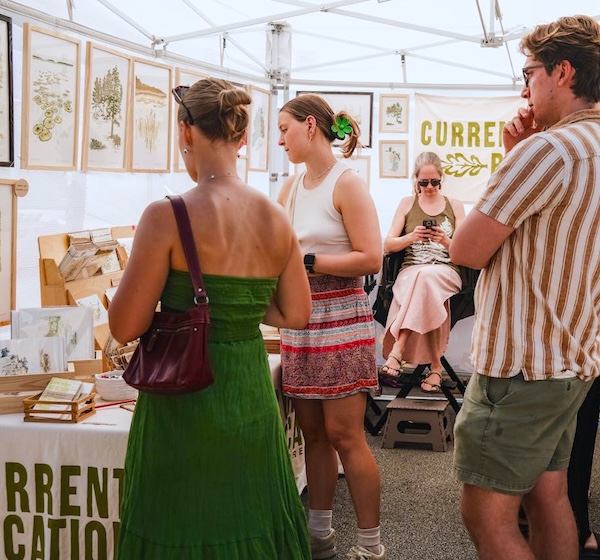
Ultimately, buying art is both enjoyable and rewarding. Art collectors who approach collecting art with research, patience, and attention to documentation are far more likely to build collections that include authentic artwork. By understanding how to evaluate artists, verify provenance, and purchase from trusted sources, collectors can confidently navigate the art market while avoiding fakes and acquiring meaningful works of art.