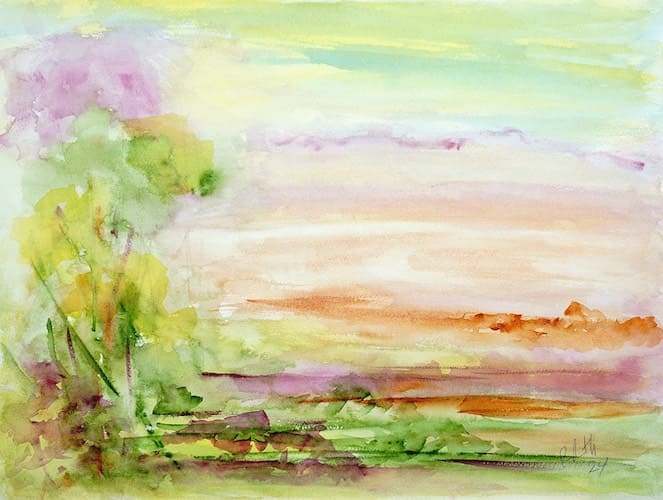
Watercolor painting is experiencing a vibrant renaissance. Fueled by innovation, accessibility, and a new generation of artists, the medium is redefining itself within the broader landscape of contemporary art. Once associated primarily with delicate washes and traditional landscapes, today’s watercolor painting embraces bold experimentation, conceptual depth, and mixed media influence. In this post, we explore the current trends shaping contemporary watercolor painting and how they are transforming both watercolor art and the work of today’s watercolor artists.
The Evolution of Watercolor Painting in Contemporary Art
Watercolor painting is moving decisively into the realm of contemporary art, shedding its reputation as a purely traditional or illustrative medium. Artists are now integrating watercolor into larger areas within modern art, using it to explore identity, abstraction, and cultural narratives.
The accessibility of watercolor—amplified by online learning, global communities, and social platforms—has also contributed to its rise. As a result, contemporary watercolor painting is no longer confined to sketchbooks or studies; it is increasingly featured in galleries, exhibitions, and serious art collections.
Current Trends in Contemporary Watercolor Painting for 2026: Color and Texture
Bold and Saturated Color: New and Rich Expressive Palettes
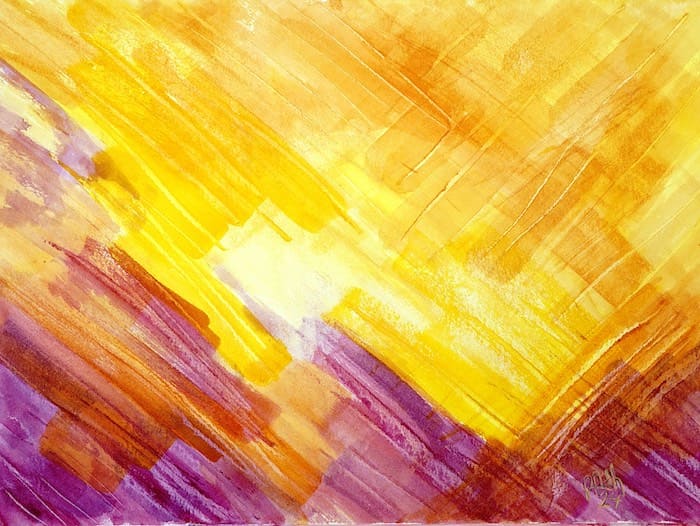
One of the most visible current trends in watercolor painting is new and rich expressive palettes with bold and saturated color. Contemporary watercolor artists are pushing beyond soft, transparent washes and experimenting with vivid pigments, dramatic contrasts, and unexpected color combinations.
This shift aligns watercolor closely with the visual language of modern art, where color often serves as a primary vehicle for emotion and meaning. At the same time, many artists balance intensity with subtlety by incorporating earthy, organic tones—creating watercolor art that feels both grounded and electrifying.
Texture, Layering, and Material Exploration: A New Trend in Watercolor Painting

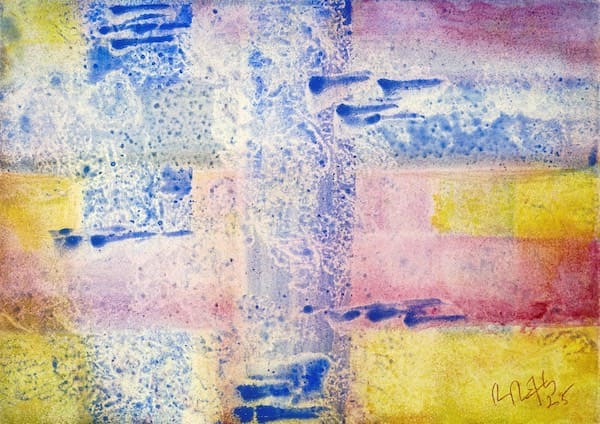
Texture is a defining feature of contemporary watercolor painting. Through layering techniques, controlled washes, and the use of unconventional tools, artists are transforming watercolor into a medium rich with depth and surface variation. The style of some watercolor artists closely resemble oil or acrylic painting, and in fact, it’s hard to tell the difference.
Innovative artists use salt, sponges, scraping tools, and mixed surfaces creating dynamic textures that challenge the traditional flatness of watercolor art. This tactile quality connects modern watercolor painting to broader movements in contemporary art that emphasize materiality and process.
Another shift in Contemporary Watercolor Painting: Abstraction and Concept-Driven Work
Another major shift in modern watercolor art is the rise of abstraction and concept-driven imagery. Rather than focusing solely on representation, many watercolor artists are using the medium to explore form, movement, and emotion.

This trend places watercolor firmly within the discourse of contemporary art, where ideas take precedence over literal depiction. Spontaneous mark-making and layered compositions allow artists to create works that feel immediate, expressive, and intellectually engaging.
More Current Trends in Contemporary Watercolor Painting: Urban Scenes, Contemporary Subject Matter, Mixed Media, and Photorealism

While traditional watercolor painting centered on pastoral landscapes, stormy seascapes, or still life, many of today’s watercolor artists enjoy depicting urban environments and contemporary life. Cityscapes, architecture, and urban scenes of people and places are common themes in modern watercolor art.

This shift reflects a broader alignment with contemporary art’s focus on the lived experience. It brings a fresh, current perspective to watercolor painting and expands its relevance in today’s visual culture.
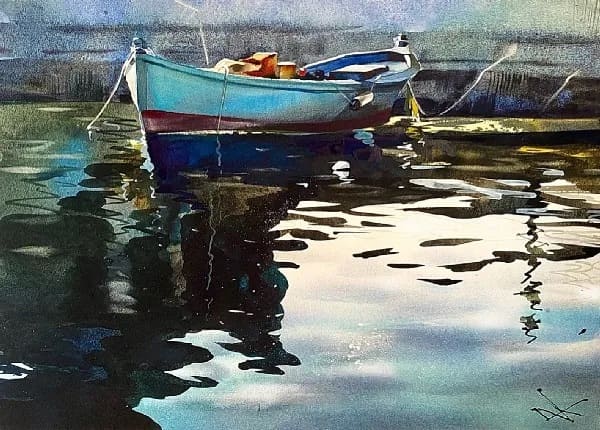
Another current trend in contemporary watercolor painting is a focus on photorealism. This genre took hold several years ago, and is still a favorite among artists. For further reading on this topic explore Photorealism in Watercolor Painting: Why It’s So Popular.
Mixed Media and Cross-Disciplinary Innovation
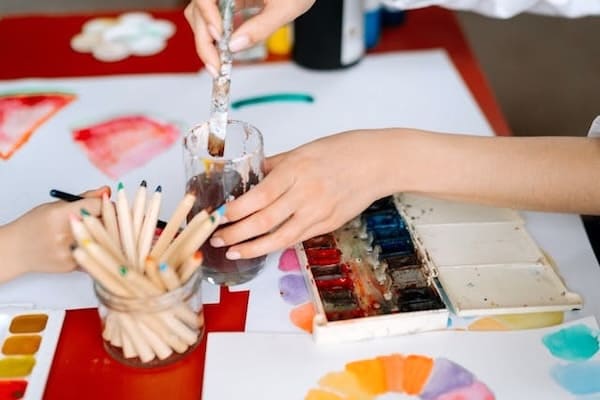
A defining aspect of contemporary watercolor painting is its openness to experimentation. Many artists are combining watercolor with ink, gouache, graphite, and even digital elements, creating hybrid works that blur the boundaries between mediums.
This integration reflects a larger trend in contemporary art, where rigid distinctions between disciplines are dissolving. For watercolor artists, mixed media offers new ways to enhance detail, contrast, and conceptual depth while preserving the fluid beauty of watercolor.
A Return to Authenticity in a Digital Age
In contrast to the rise of digital art and AI-generated imagery, watercolor painting offers a deeply human, hands-on experience. The unpredictability of water, pigment, and paper creates moments of spontaneity that cannot be replicated digitally.
For many artists, this authenticity is at the heart of contemporary watercolor painting—a reminder that imperfection, process, and gesture remain essential to contemporary art.
Conclusion: Watercolor’s Expanding Role in Contemporary Art
The evolution of watercolor painting reflects a medium in transformation. Through bold color, innovative techniques, and conceptual exploration, watercolor painting has found its niche within the broader movements of contemporary art.
For today’s watercolor artists, the possibilities are more expansive than ever. Whether working in abstraction, mixed media, or urban realism, artists are redefining what watercolor art can be—making this an exciting moment in the ongoing story of modern watercolor painting.