
Art is more than just decoration; it’s an expression of emotion, culture, and individuality. Whether a seasoned art collector or a novice, choosing the perfect painting is both exciting and daunting. This brief guide helps you navigate the vibrant world of art. Make an informed decision that resonates with your personal style. Let’s look at how to choose the perfect painting.

How to Choose the Perfect Painting: Understanding the Basics of Art
Before you choose the perfect painting, let’s first understand the fundamentals of art. Here are a few key terms:
Medium: The materials used to create a piece of art, like oil, acrylic, watercolor, or mixed media. The medium determines how you will hang, and care for, your artwork.
For example, many oil and acrylic paintings hang unframed without a cover. However, matting and framing is a must for watercolor art, including a cover like glass or acrylic.
Style: The artistic style or movement that influences the artwork, such as Impressionism, Abstract, or Contemporary.
Composition: The arrangement of elements within a painting, which affects the overall visual impact. The elements in a well executed painting draws the eye to a focal point and guides you around the work.
Define Your Space: Where Will the Painting Fit Best?
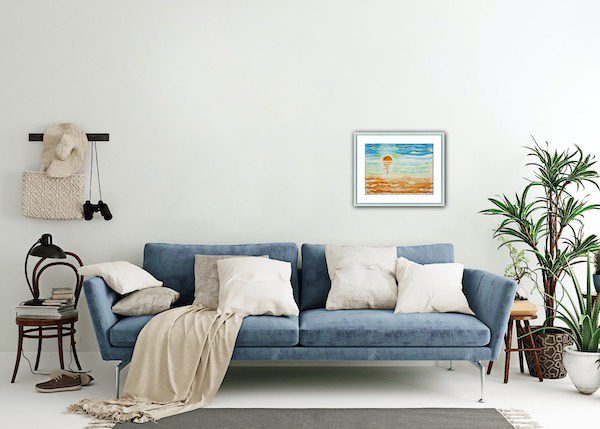
Choosing the perfect painting means taking a moment to assess where the painting fits best. Keep these points in mind:
Size: Measure your wall space ensuring the painting fits well. Use a large canvas for a focal point, and smaller pieces for a gallery wall effect.
On a bare wall, hang the center of the artwork at 57 inches from the floor. That’s standard gallery height. Hanging over a sofa? Use the 2/3 rule. Make the painting two-thirds the couch width. It looks right, not lost or overwhelming. For a gallery wall, space pieces 2-3 inches apart. This creates flow.
Color Palette: Notice the colors in your room. Choose a painting that complements the existing decor or adds a striking contrast. Colors set the mood. Blues soothe, reds fire up energy, yellows brighten.
Lighting: Consider the lighting in your space. Know that natural and artificial light alters the perception of colors and details in a painting. Avoid annoying reflections on framed artwork with a glass or acrylic cover by placing them away from direct lighting.
Ceiling Height and Room Flow: Tall ceilings? Go vertical. It draws eyes up, makes space feel bigger. Low ceilings? Horizontal works. It widens the feel. In entryways, big pieces welcome you. They set the tone right away. Flow matters. Art should guide your eye around the room. Avoid blocking doors or paths. In open plans, link paintings across walls for unity.
What’s Your Personal Taste in Art?

Art is deeply personal. Choose art that reflects your unique style. Think about these points before buying a piece of art:
Emotional Connection: Art should resonate with you. When you buy art reflecting your taste, it creates an emotional bond enhancing your enjoyment.
Home Aesthetics: Art is a significant element of your home decor. Choosing pieces that fit your personal style creates a cohesive and inviting atmosphere.
What Draws You to the Painting: What is it about the artwork that caught your eye? Is it the color palette, subject matter, technique? Identify recurring themes. Art is a significant element of your home decor. Choosing pieces that fit your personal style and taste creates a cohesive and inviting atmosphere.
What Do Original, Giclée, and Limited Edition Prints Mean

Understanding art jargon helps you make an informed decision about what type of art is right for you and your budget.
Originals: one-of-a-kind paintings directly from the artist. Signed, and includes a Certificate of Authenticity.
Giclée prints: prints that mimic the look of original art with high-tech ink. More affordable than an original painting.
Limited edition: prints made in limited quantities. Each print is numbered and signed by the artist. Not necessarily cheaper than Giclée prints.
How to Choose the Perfect Painting – Summary

Understand the basics of art like medium, style, and composition
Define your space by wall size, ceiling height, color scheme, lighting, and room flow.
Personal taste – what feeling or mood is important
Know the difference between original art and prints
Now you have enough information to choose the perfect painting that not only fits your space, but also reflects your personal style and aesthetics.
Go ahead, amaze your family and friends with your awesome wall art.
For Art Lovers everywhere: What to Look For When Buying a Watercolor Painting