
Watercolor paintings captivate both artists and art buyers alike with its vibrant colors and fluid versatility. Whether you’re planning to decorate your home, invest in art, or find the perfect gift, knowing what to look for in a watercolor painting enhances your buying experience and ensures you make an informed decision.
First, Let’s understand the components of watercolor paint and paper. Then we’ll focus on what materials make a high quality watercolor painting. Lastly, we’ll discuss how much to pay, and where to buy, a watercolor painting online.
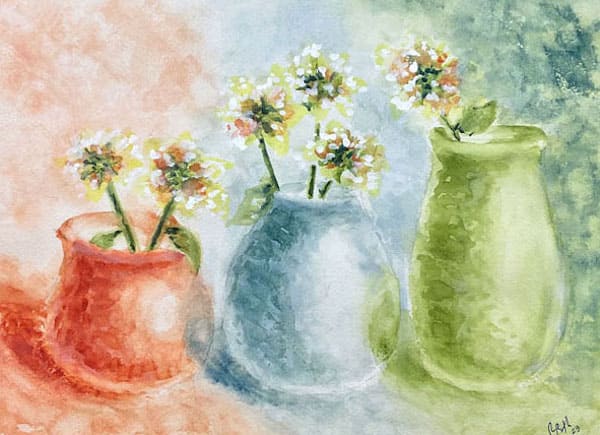
Buying a Watercolor Painting: Understanding the Paint and the Paper
What is Watercolor Paint?
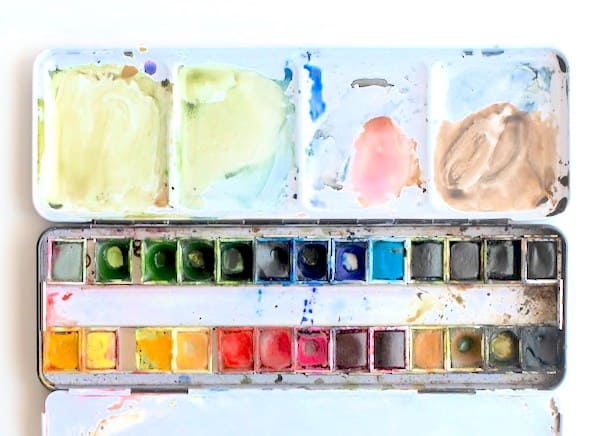
Watercolor paint is a water-soluble medium made from pigments suspended in a binder, like gum arabic. When mixed with water, it creates a translucent effect that allows the white of the paper to shine through, giving artworks a luminous quality. The beauty of watercolor lies in its ability to blend effortlessly and create stunning washes of color.
The Basic Components of Watercolor Paint: Pigment and Binder
Pigment: These are the colored powders that give watercolor paint its hue. Some pigments come from natural sources, others are synthetic. The quality of the pigment affects the vibrancy and lightfastness of the paint.
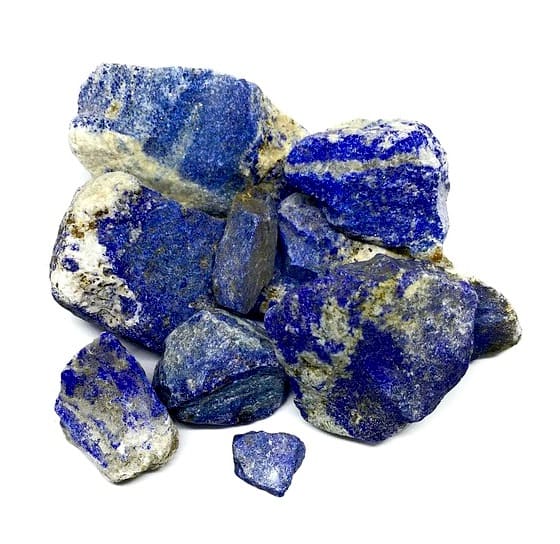
For example, Ultramarine Blue was originally ground from lapis lazuli. Later, the synthetic color French Ultramarine appeared on the scene making the color more affordable and available. Burnt Sienna is a reddish-brown pigment made from heated clay.
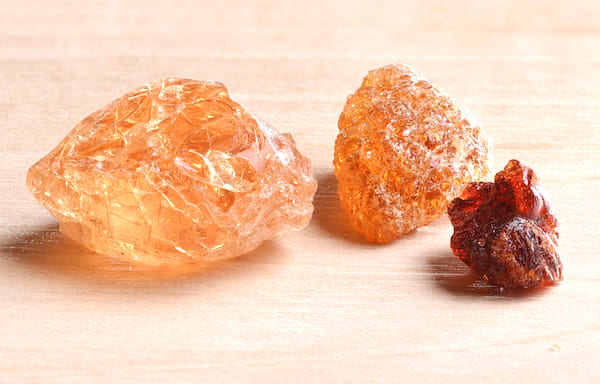
Binder: Typically, gum arabic serves as the primary binder in watercolor paints. Made from the acacia tree, it holds the pigment together and allows for easy reactivation with water. Surprisingly, it’s even edible!
Watercolor paint comes in two types: student and professional. Professional grade paint is more expensive because the pigment to binder ratio is higher than in student grade.
Understanding Watercolor Paper
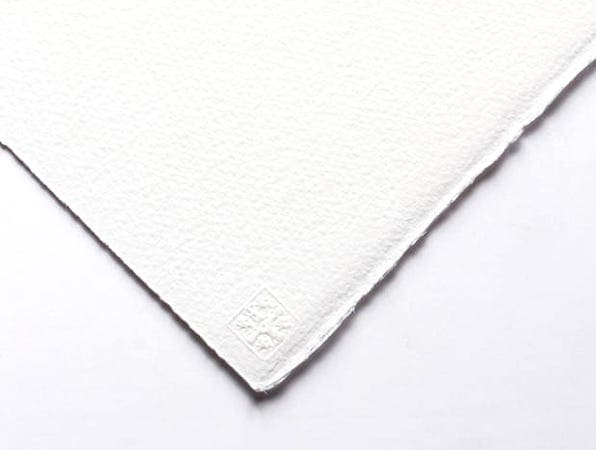
Watercolor paper is made from two materials: cotton and pulp. Each type has its unique characteristics, affecting the texture, absorbency, and overall performance of the paper.
Cotton Paper
Composition: Made from 100% cotton fibers, this type of paper has excellent absorbency and durability.
Texture: It features a textured surface (rough, cold-pressed, or hot-pressed) allowing for a variety of techniques.
Benefits: Cotton paper holds water well. It’s ideal for heavy layering and scrubbing. A quality cotton paper also withstands the ‘tape test’. Artist’s tape lifts from the paper easily without tearing.
Pulp Paper
Pulp paper is another common type of watercolor paper, made from wood pulp or a blend of wood pulp and cotton.
Composition: This paper is less expensive and made from processed wood fibers.
Texture: Pulp paper comes in various textures, but it usually has a smoother finish compared to cotton paper.
Benefits: While it may not hold up as well under heavy washes or scrubbing, pulp paper is a great option for beginners or for practice sessions. It allows artists to experiment without significant investment.
Watercolor Board: an Alternative to Paper

Some artists use a hard board as an alternative to watercolor paper. One example is Aquabord. This board is a unique surface specifically designed for watercolor paint. It’s a panel made from a specially coated, absorbent clay, producing vibrant colors and easy color lifting.
Unlike traditional watercolor paper, Aquabord maintains its shape and integrity even under heavy washes. Aquabord’s textured surface is like cold press watercolor paper, allowing for easy color application and layering. And there’s no warping due to the rigid surface.
Here’s my artist review of Aquabord.
Buying a Watercolor Painting: Looking for Quality
To review, watercolor paint comes in two grades: student (or academic) and professional. As mentioned above, watercolor paper is either 100% cotton, pulp, or a combination of the two.
As an artist, I use professional quality watercolor paint and 100% cotton paper. Here’s why.
Professional Watercolor Paint
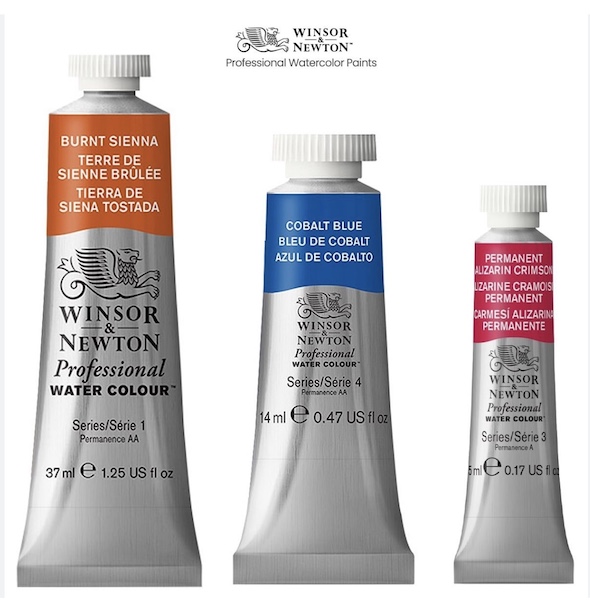
There’s a high pigment concentration in professional watercolor paint making colors intense and vibrant. The lightfastness of these paints (permanence and fade resistance) is excellent. The paint consistency is smoother, and there are no surprises when mixing colors.
Professional Watercolor Paper
100% cotton paper is the quality standard for professional watercolor paper. This paper is durable and holds water well. Lifting and scrubbing paint is easy with cotton paper, and colors remain true.
Watercolor paper comes in various weights. The most common paper weights artists use are 140 lb and 300 lb. I use 140 lb professional watercolor paper.
Also, watch for paper warp. Although all watercolor paper warps when wet, high quality paper retains only a little buckling after drying.
Artist’s Signature and Certificate of Authenticity
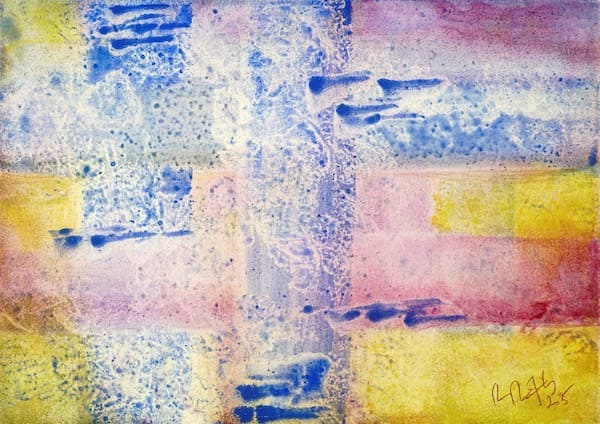
Look for the artist’s signature on the corner or the back of the watercolor painting. Ask for a Certificate of Authenticity which includes title of the work, date and place created, media, and artist’s signature. I sign each of my paintings and include a Certificate of Authenticity with each one.
How Much Should I Pay For a Watercolor Painting?

The answer to this question varies. Some art collectors prefer a particular artist, and are willing to pay more to acquire another piece. Other buyers simply want to have something pleasant to look at in their home or office.
For most buyers, a basic guideline is: How much are other artists charging for their watercolor paintings? And for a meaningful comparison, compare artworks of similar size.
In pricing art, size matters. In terms of artist’s materials, large watercolor paper costs more than smaller paper. Artists typically use wider brushes to cover large areas of paper, and these brushes cost more than smaller brushes. Professional watercolor artists typically have a wide variety of paper sizes and brushes in their studio.
The short answer: shop around.
Where Should I Buy a Watercolor Painting Online?

Art collectors purchase pieces either directly from the artist website, or from an art platform like Saatchi Art.
Buying from the artist website usually (not always) means lower prices because the artist is not paying a commission marketing the art. However, the artist factors in the cost of website design, hosting, maintenance, and credit card fees when setting prices. Some buyers prefer to buy directly from the artist website because they feel connected to the artist and the art. And typically, a professional artist website offers good customer service if something isn’t right.
Purchasing from an art platform may cost more because the artist is handing over a commission to the platform. For example, Saatchi Art charges their artists a commission on each sale. However, I sell on Saatchi because selling is easy. Saatchi takes care of credit card purchasing, collecting and remitting sales tax, and provides the me with a pre-paid mailing label for shipping. All this lets the me focus on art, and expedites shipping to the buyer.
The short answer: the choice is yours.
Summary: What to Look For When Buying a Watercolor Painting
- Professional grade watercolor paint
- Bright, vivid colors
- Paper weight of at least 140 lb, and 100% cotton
- Little, if any, paper warping
- No warping with a watercolor board
- Artist’s signature and Certificate of Authenticity
- A price comparable to other watercolor paintings of the same size
- For an online purchase, decide between buying directly from the artist website, or from an art platform like Saatchi Art.
Just stick to these basic guidelines. You’ll be happy with your purchase and your walls will thank you.