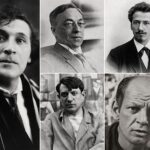
In this post, we look at 20th century artist Lee Krasner, an unsung heroine of Abstract Expressionism. As a pioneering figure in this artistic genre, Krasner broke barriers and challenged norms, leaving an indelible mark on the art world. Let’s look at her artwork, and the profound impact she made in a male-dominated field.
Lee Krasner’s Education and Artistic Influences
Art Education
Born in 1908 in Brooklyn, New York, Lee Krasner was the daughter of Jewish immigrants from Russia. From a young age, she exhibited a remarkable talent for art, which her parents encouraged despite the challenges they faced. In high school, she almost didn’t graduate due to a low grade she received in art. Krasner later pursued her education at Cooper Union and the National Academy of Design, where she honed her skills and developed her unique artistic voice.
The Influence of Abstract Expressionism
Lee Krasner was profoundly inspired by what she saw in 1929 at the opening of the Museum of Modern Art (MOMA) in New York. However, it was her involvement in the Abstract Expressionist movement during the 1940s that truly defined her career. A member of the New York School of Abstract Expressionists, she found her own distinctive voice in the art world with her bold use of color, dynamic forms, and innovative techniques.
Lee Krasner: A Woman Artist in a Man’s World
Nonetheless, she continually fought an uphill battle gaining recognition as a woman artist in a man’s world. In fact, Lee Krasner and Helen Frankenthaler were the only two notable women members of the New York School of Abstract Expressionists.
She struggled to get her art taken seriously. Her former teacher, artist Hans Hofmann who was also a member of the New York School, once stood before one of her paintings and commented:
‘This is so good, you would never know it was done by a woman.’
Krasner greatly appreciated the friendship of fellow artist Ad Reinhardt who praised her for her artistic achievements and encouraged her to forge ahead.
Creating in the Shadow of Her Husband, Artist Jackson Pollock
Krasner’s career took a significant turn when she met fellow artist Jackson Pollock in 1945. Their marriage was not only a romantic partnership but also a creative collaboration that profoundly influenced both of their works. Her art influenced him, and his art influenced her. He would ask her to critique his art, which she did. Krasner also introduced Pollock to other artists and gallery owners, stretching the reach of his influence in the art world.
While Pollock gained fame for his drip paintings, Krasner often found herself in the shadows. Nonetheless, she never stopped creating.
Abstract Expressionism and the Art of Lee Krasner
Use of Color and Composition
When looking at Krasner’s artwork, we see bright, explosive colors. She used colors to create mood and energy. Although her compositions look chaotic, they are carefully balanced. She combined spontaneous brushwork with controlled techniques, giving her paintings a sense of movement and rhythm.
Brushwork and Textural Techniques
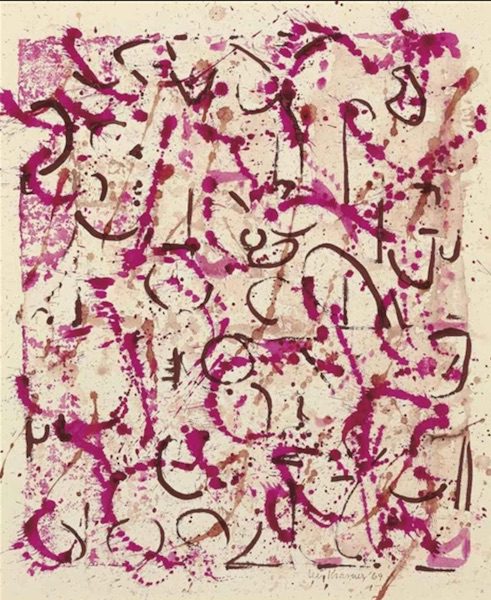
Her brushwork is full of gestures — quick, sweeping strokes that feel alive. She layered paint to add depth, creating complex textures. Krasner also experimented with collage and dripped paint to build visual interest. These methods made her works rich and tactile, inviting viewers to explore every layer.
Evolution of Lee Krasner’s Artistic Style
Lee Krasner’s artistic style evolved over her long career. Her early work from the 1930s and 1940s focused on abstract experimental pieces, blending shapes and textures.
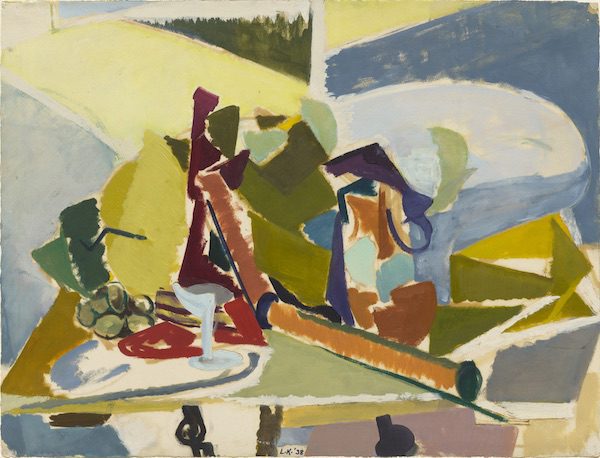
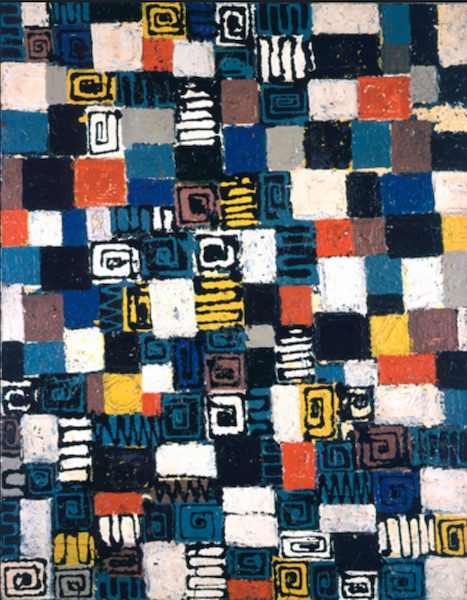
The 1950s found her fully engaged with Abstract Expressionism. Her style became more distinct, with large, vibrant canvases filled with energy.
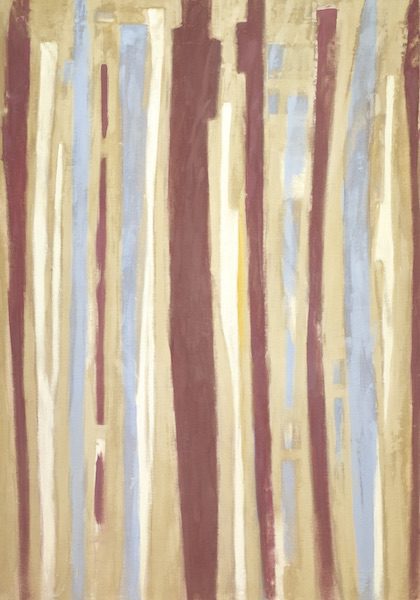
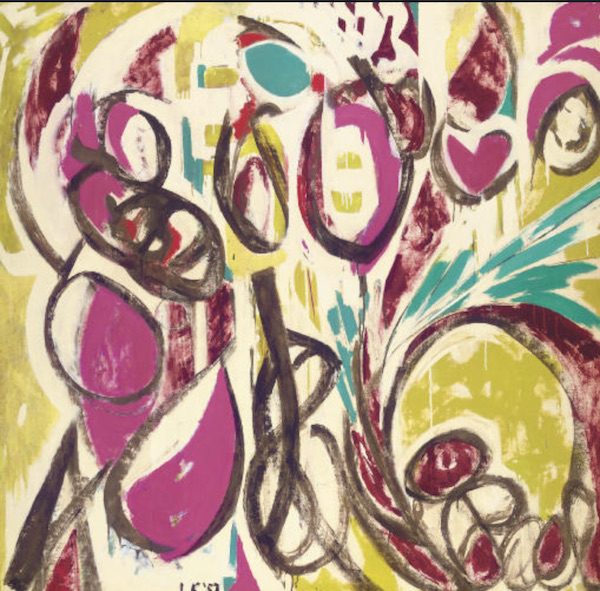
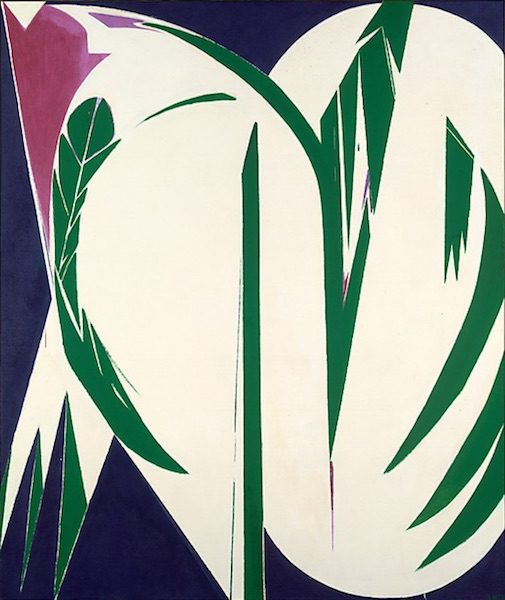
From the 1960s onward, Krasner explored more structured art. Her style softened, incorporating lyrical and more controlled elements. Her personal growth is visible in her mature works, which balance spontaneity with order.
Abstract Expressionism and the Legacy of Lee Krasner
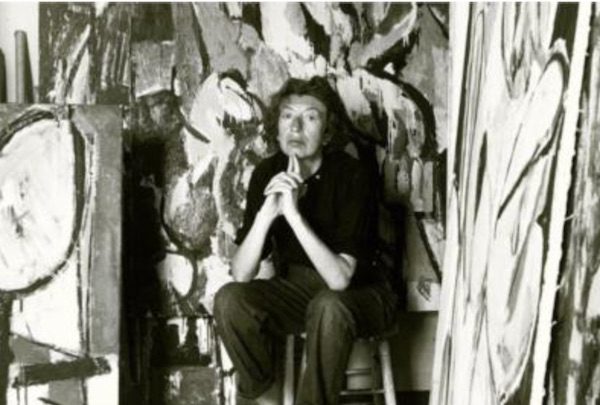
Lee Krasner’s art is a testament to innovation and strength. Her style evolved from experimental beginnings into a powerful personal voice. Her influence shaped modern art and inspired countless artists. Exploring her work reveals the beauty of daring to be different. She is a true unsung heroine of Abstract Expressionism.
Abstract Art Original Paintings: Vibrant Art for Your Space
More reading on modern art – Exploring the Nuances of 5 Similar Types of Art Movements