This page has been updated for accuracy
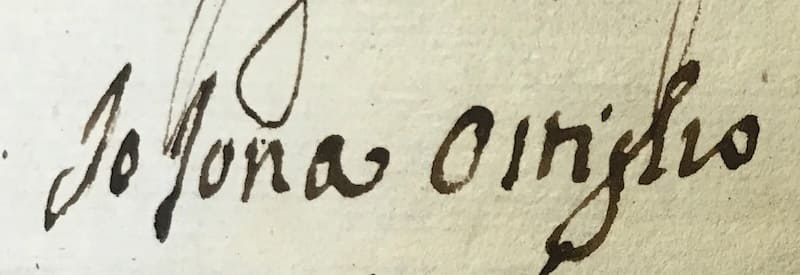
When people think about famous Renaissance artists, names like da Vinci or Rafael come to mind. The period was a golden age of art and science. Yet for many Jewish communities across Europe, life during this period remained difficult. Jewish artists rarely received the same opportunities as Christian painters and sculptors. Professional guilds excluded Jews, limiting their ability to train formally or receive major commissions. Despite these restrictions, a Jewish artist named Jona Ostiglio, shines as a bright light during a dark period of religious persecution.

The Historical Context – Jews in Renaissance Europe
During the Renaissance, the Jewish community faced a tumultuous existence marked by persecution, forced conversions, and social marginalization. Despite these challenges, Jewish artists found ways to express their creativity and contribute to the broader artistic landscape. Cities such as Venice, Florence, and Rome became places where Jewish and Christian cultures intersected.
Jewish Artists in Renaissance Italy
Jona Ostiglio
Among the luminaries of this era, Jona Ostiglio (born around 1620-1630) emerges as a significant figure. Ostiglio’s paintings were a favorite of the Medici family. With support from wealthy patrons, he was a member of the famed Academy of Fine Arts, and remained the only Jew admitted to that guild until the 20th century.
It wasn’t until recently that previously unattributed paintings were identified as Ostiglio’s work.
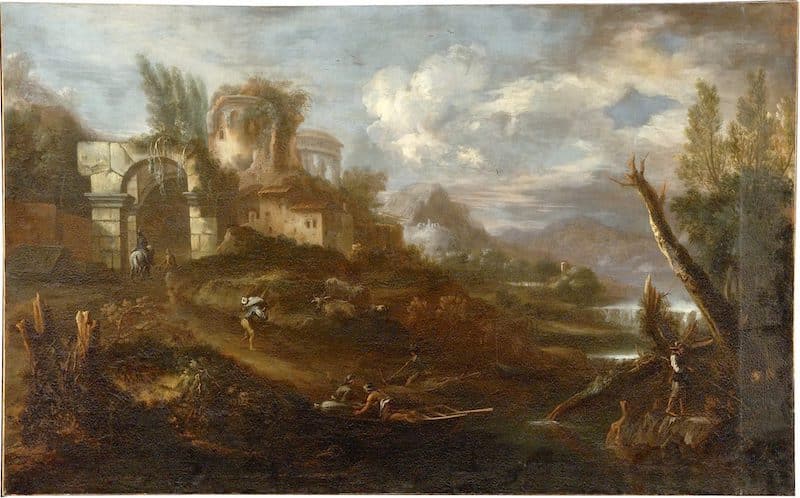
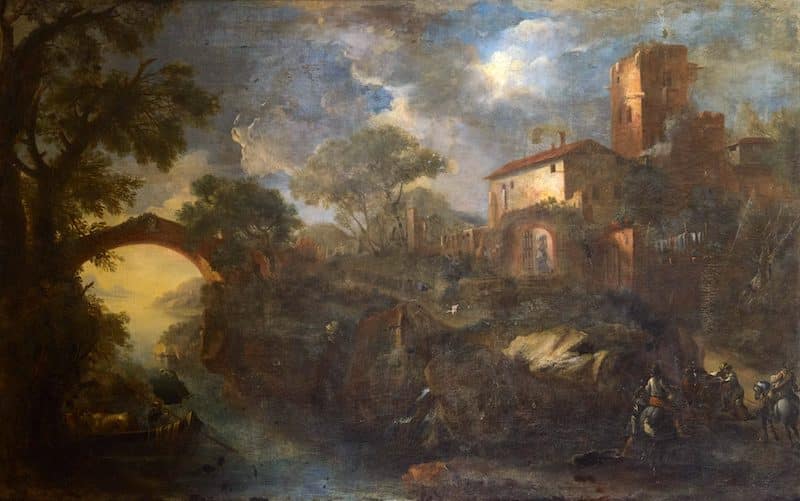
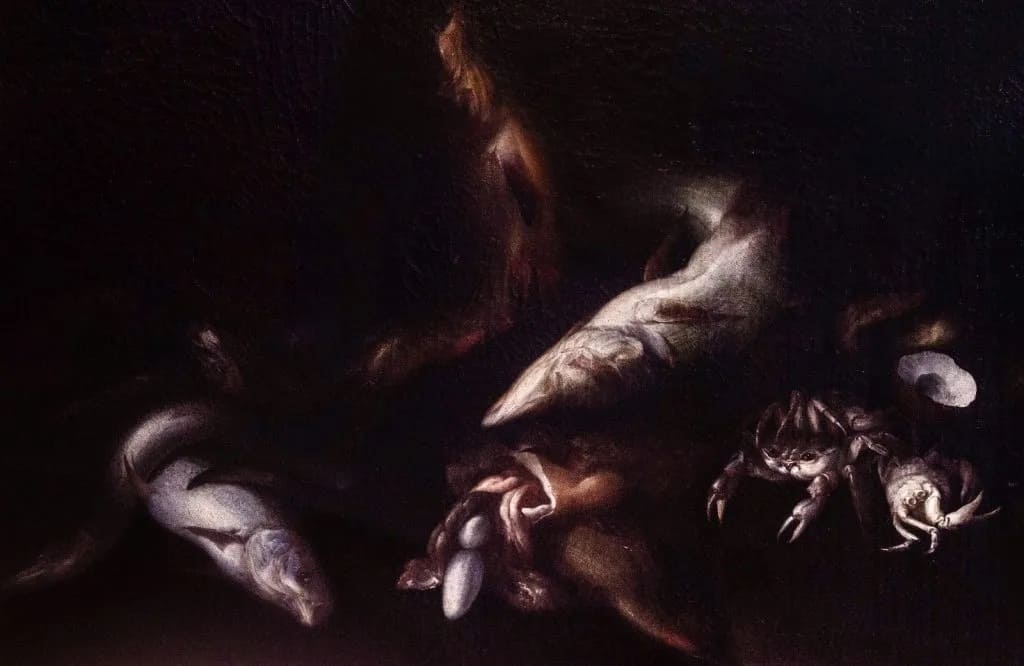
His work reflects the dramatic atmosphere and natural scenery popular among late Renaissance and Baroque painters. Ostiglio employed a painting technique that utilized the lighting style of Caravaggio called chiaroscuro. This lighting has deep, dramatic shadows, providing a stark contrast to the luminous, carefully modeled figures emerging from the darkness. Ostiglio’s brushwork reveals a mastery of oil glazes that imbue his canvases with a somber, yet vibrant depth.
Researchers believe additional paintings by Jona Ostiglio may still exist in museum collections or private archives under the label, anonymous seventeenth century painter. Today, historians and museums are paying closer attention to overlooked Jewish artists from the Renaissance period.
As scholars continue uncovering forgotten creators from the Renaissance, Jona Ostiglio stands as a powerful reminder that Jewish artists helped shape the artistic heritage of Europe in ways that are only now beginning to receive the attention they deserve. The Renaissance was never the story of only a few famous names. It was also the story of hidden creators, artists whose identities were pushed into the shadows.
The Sad Dilemma of Renaissance Jewish Artists
Artistic collaboration between Jews and non-Jews was always on shaky ground. Although some Jewish artists broke through societal barriers, they found that their livelihood, and even their life, depended on the whims of the ruling class. And even then, their work couldn’t be attributed to a Jew.
An article about Jona Ostiglio in the Jerusalem Post entitled Lost Jewish Renaissance Painter Favored by the Medici Discovered, sums up the relationship between Jews and non-Jews in the art world at that time:
‘The rule was that they couldn’t enter guilds… Not that they couldn’t work – they could – but they worked without signing their names…’
More on Jewish artists in history: Jewish Artists of the 1800s: Pissarro, Levitan, Liebermann